







On December 29, 2025, the United Nations Security Council convened an emergency meeting following Israel’s formal recognition of the Republic of Somaliland. The move—historic and controversial—marked the first time a UN member state officially acknowledged Somaliland’s sovereignty, challenging Somalia’s territorial claims and stirring diplomatic tensions across the Horn of Africa and beyond.
Yet, despite the gravity of the issue, the meeting revealed more about global power dynamics than about Somaliland itself. The remarks delivered by Israel and the United States underscored a strategic recalibration in East Africa, while the Council’s overall response was notably restrained—absent of any outright condemnation.
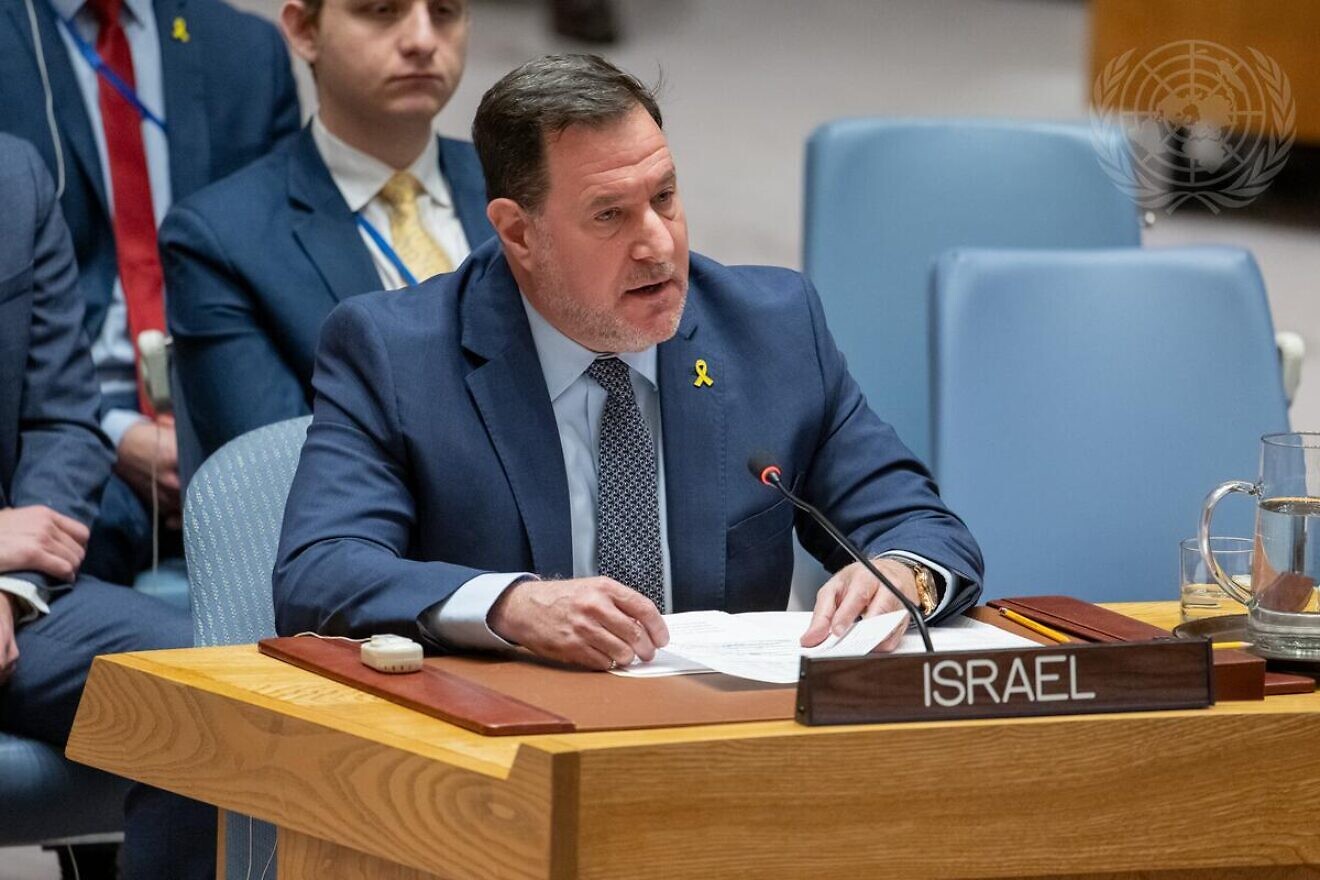
Israel’s Deputy Ambassador to the UN, Jonathan Miller, defended the recognition of Somaliland as a sovereign state, describing it as a “strategic partnership” rather than a provocation. He emphasized that the decision was not intended as a hostile act toward Somalia and did not preclude future dialogue.
Key points from Israel’s statement:
- Security interests: Israel cited regional instability, particularly threats from Houthi rebels in Yemen, as a rationale for deepening ties with Somaliland.
- Economic and logistical potential: While denying plans for military bases or relocation of Palestinians, Israel hinted at the strategic value of Somaliland’s coastline and infrastructure.
- Diplomatic precedent: Israel framed the recognition as consistent with international norms, asserting its right to establish relations with any sovereign entity.

The United States, while not endorsing Somaliland’s recognition, defended Israel’s diplomatic autonomy. In a statement delivered by the Deputy Representative to the UN, the US criticized the Council’s “persistent double standards,” pointing out that no emergency meeting was called when several countries recognized a “nonexistent Palestinian state” earlier in the year.
Highlights from the US statement:
- No change in policy: The US clarified that it had not recognized Somaliland and had no announcement to make on the matter.
- Support for Israel’s sovereignty: The US emphasized Israel’s right to conduct diplomatic relations like any other state.
- Critique of Council priorities: By contrasting the Council’s reaction to Palestinian recognition with its response to Somaliland, the US accused the body of misdirected focus.

Despite vocal opposition from Somalia and Arab League members, the Security Council did not issue a formal condemnation of Israel’s recognition of Somaliland. This absence of censure was striking, especially given the Council’s history of swift rebukes in similar cases.
Notable dynamics:
- Arab League frustration: Member states expressed outrage, framing the recognition as a violation of Somalia’s sovereignty and a distraction from the Palestinian cause.
- African Union caution: While reiterating support for Somalia’s territorial integrity, AU representatives stopped short of demanding reversal.
- European ambivalence: Several European members expressed concern but avoided direct criticism of Israel.
| Dimension | Israel | United States | UN Security Council |
|---|---|---|---|
| Position on Somaliland | Full recognition | No recognition | No formal condemnation |
| Strategic motive | Counter Houthi threats, influence | Defend ally, critique Council | Preserve unity, avoid escalation |
| Tone | Assertive, pragmatic | Defensive, critical | Cautious, noncommittal |
Broader implications:
- Somaliland’s status elevated: Israel’s recognition, coupled with the lack of condemnation, gives Somaliland unprecedented diplomatic visibility.
- Somalia’s sovereignty challenged: The move undermines Mogadishu’s claims and could embolden other states to follow suit.
- Geopolitical realignment: The Horn of Africa is emerging as a new theater for strategic competition, with Israel and the US asserting influence amid rising instability.
The UN Security Council meeting on Somaliland was less about legal recognition and more about global power play. Israel’s bold move and the US’s deflection strategy exposed fractures in the Council’s unity and signaled a shift in how sovereignty and diplomacy are negotiated. The absence of outright condemnation suggests that the international community may be more divided—or more cautious—than it appears.
As Somaliland watches the global response unfold, one thing is clear: the door to international legitimacy has been nudged open, and the Horn of Africa may never look the same again.
US Remarks at the Council


